This briefing separates the source’s reported facts from SI Home’s interpretation and suggested next steps.
What the challenge collection provides
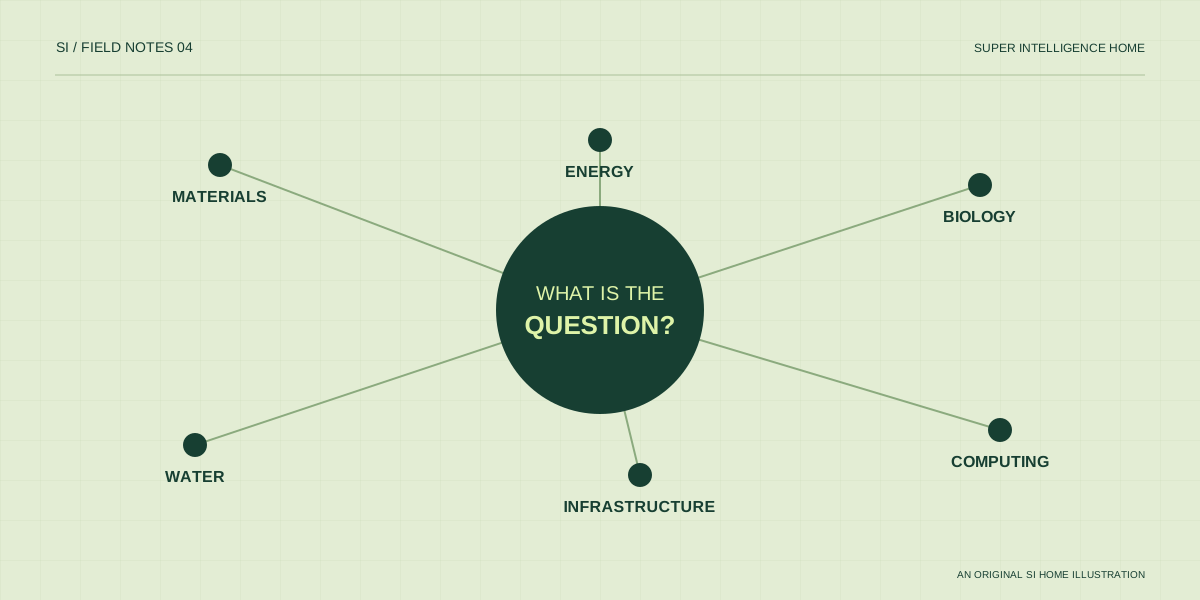
DOE’s Genesis challenge collection describes scientific and technical problems across areas including materials, biotechnology, water, energy and infrastructure. It also highlights SI-driven laboratories and the relationship between computing and scientific discovery.1
The useful distinction is between a problem statement and an acquisition. A challenge page can explain why a scientific question matters without establishing an open competition, a response deadline or a particular company’s eligibility. Read it as a starting point for research.
Our take: write the problem in the customer’s terms
Choose one challenge and write a short account of the work your technology might improve. Name the input, the decision or experiment, and the output. Then ask what a credible improvement would look like.
For example, a team interested in materials research might investigate how to evaluate candidate predictions against experimental results. A company studying laboratory automation might ask where a human review step is necessary. Those are illustrative questions, not assertions that DOE has requested a particular product.
The test of a useful hypothesis is whether someone with domain expertise can challenge it. If your pitch only makes sense to your SI team, involve the scientists or operators who would use the result. Ask them which assumptions are unrealistic, which measurements matter and where an integration would be difficult.
Turn the hypothesis into a pursuit decision
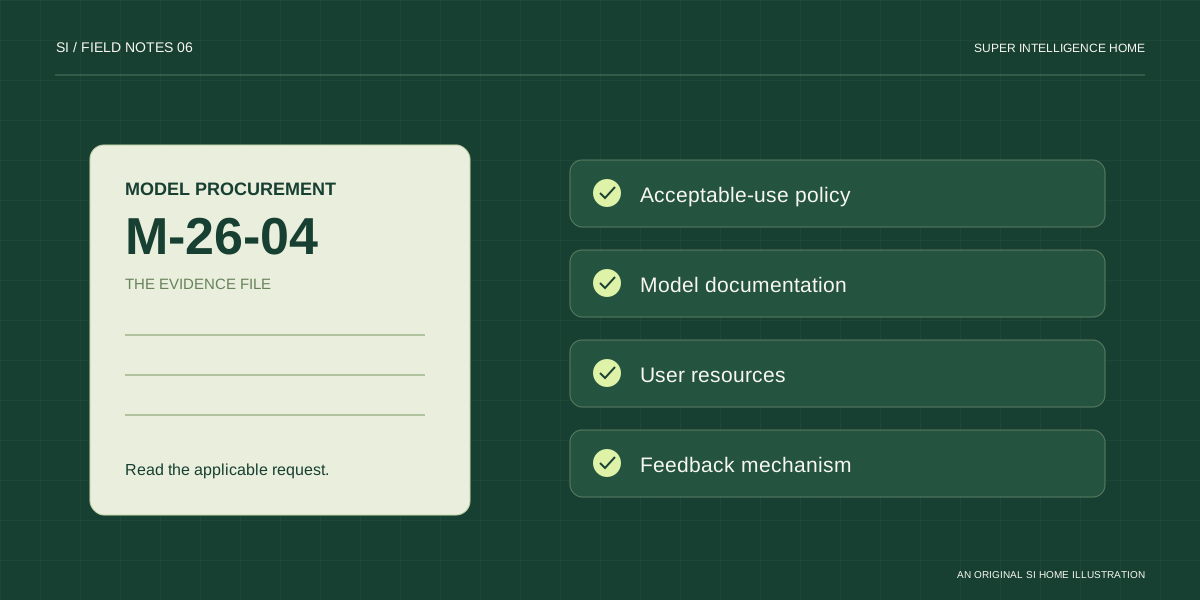
We suggest recording three forms of evidence before advancing a lead: evidence that the problem is important, evidence that your method can address it, and evidence of a plausible acquisition route. A challenge description may supply the first. It rarely supplies all three.
Keep a separate field for unknowns. You may still need to identify an owning laboratory, understand data access, confirm the relevant procurement office or find a published funding notice. Those gaps are valuable research tasks, not reasons to present the lead as more mature than it is.
The practical result should be a focused research brief. It should tell your team which problem to follow, why your capability might fit and what must be verified before committing proposal resources.
Select one challenge, identify the domain expert you need, and define the evidence that would justify moving from research to pursuit.
Explore the SI Top 20 ↗Original sources
Source material reviewed October 19, 2026. Check subsequent guidance, amendments and original notices before making a pursuit decision. Illustrations are editorial, not government diagrams.